


Philip Andrew Roth: He Knew How to Write...and Look Damn Good Doing It.
Okay, ladies, let's be real. When news broke about Philip Roth's passing, the world lost a literary giant. But some of us? We also lost a mental image of a silver fox who *clearly* knew how to rock a tweed jacket. And let's not pretend that image wasn't fueled by some seriously steamy book covers we may or may not have hidden under our mattresses in high school. Just me? Okay, moving on!
But in all seriousness, the passing of Philip Andrew Roth, surrounded by his loving family, marks the end of an era. An era of provocative storytelling, unflinching honesty, and characters so real, they felt like that annoying neighbor you secretly admired (and maybe even fantasized about...don't judge!). Today, we're not just mourning a writer; we're celebrating a life lived with gusto, a mind that dared to explore the uncomfortable, and a legacy that will continue to inspire (and maybe even scandalize) generations to come.
A Jersey Boy Through and Through
Born on March 19, 1933, in Newark, New Jersey, Philip Roth was a product of his environment. The son of Herman Roth, an insurance salesman, and Bess Finkel Roth, a homemaker, he was raised in a middle-class Jewish household. Think "American Pastoral," but with less existential angst and more Sunday dinners (probably). This upbringing, this deep-rooted connection to the everyday lives of ordinary people, became the fertile ground for his extraordinary storytelling.
Newark wasn't just a location; it was a character in Roth's novels. It shaped his perspective, informed his understanding of family dynamics, and provided him with a wealth of material to draw upon. He wasn’t afraid to explore the complexities of his own heritage, the contradictions of the American dream, and the messy, often hilarious, realities of human relationships. He wasn't afraid to dive deep, whether he was writing about politics, sex, or the utter awkwardness of family gatherings. And that, my friends, is what made him so damn relatable, even when he was being utterly outrageous.
From Weequahic High to Literary Legend
Roth’s journey from Weequahic High School (go Indians!) to the upper echelons of the literary world is a testament to his talent, his dedication, and his unwavering belief in the power of storytelling. After graduating from Bucknell University and earning a master's degree in English from the University of Chicago, he embarked on a career that would see him publish over 30 books, win countless awards, and become one of the most influential voices in American literature. He wasn’t just writing; he was holding a mirror up to society, forcing us to confront our own prejudices, insecurities, and desires. Sometimes, that mirror reflected back an image we didn't particularly like, but that's precisely what made his work so powerful.
The Weight of Words, The Power of Prose
Roth's legacy extends far beyond the printed page. It lives on in the countless writers he inspired, the conversations he sparked, and the way he challenged us to think about ourselves and the world around us. He wasn't afraid to tackle taboo subjects, to explore the darker corners of the human psyche, to push boundaries and provoke reactions. He understood that great literature isn't about providing easy answers; it's about asking difficult questions.
Think about it: "Portnoy's Complaint" challenged societal norms about sexuality and Jewish identity. "American Pastoral" explored the disillusionment of the American dream. "The Human Stain" confronted issues of race, identity, and political correctness. These weren't just books; they were cultural touchstones, sparking debates and forcing us to re-examine our own beliefs. And let's be honest, who hasn't felt a twinge of Portnoy-esque anxiety at some point in their lives? Am I right, ladies? (And gents, don't pretend you don't know what I'm talking about!)
More Than Just a Wordsmith
But beyond the intellectual stimulation, Roth’s writing also resonated on a deeply emotional level. He understood the complexities of human relationships, the nuances of desire, the pain of loss, and the enduring power of love (even the messy, complicated kind). His characters weren't perfect; they were flawed, vulnerable, and often deeply conflicted. And that's what made them so relatable. We saw ourselves in their struggles, their triumphs, and their failures. We connected with their humanity, even when they were behaving in ways we might not condone.
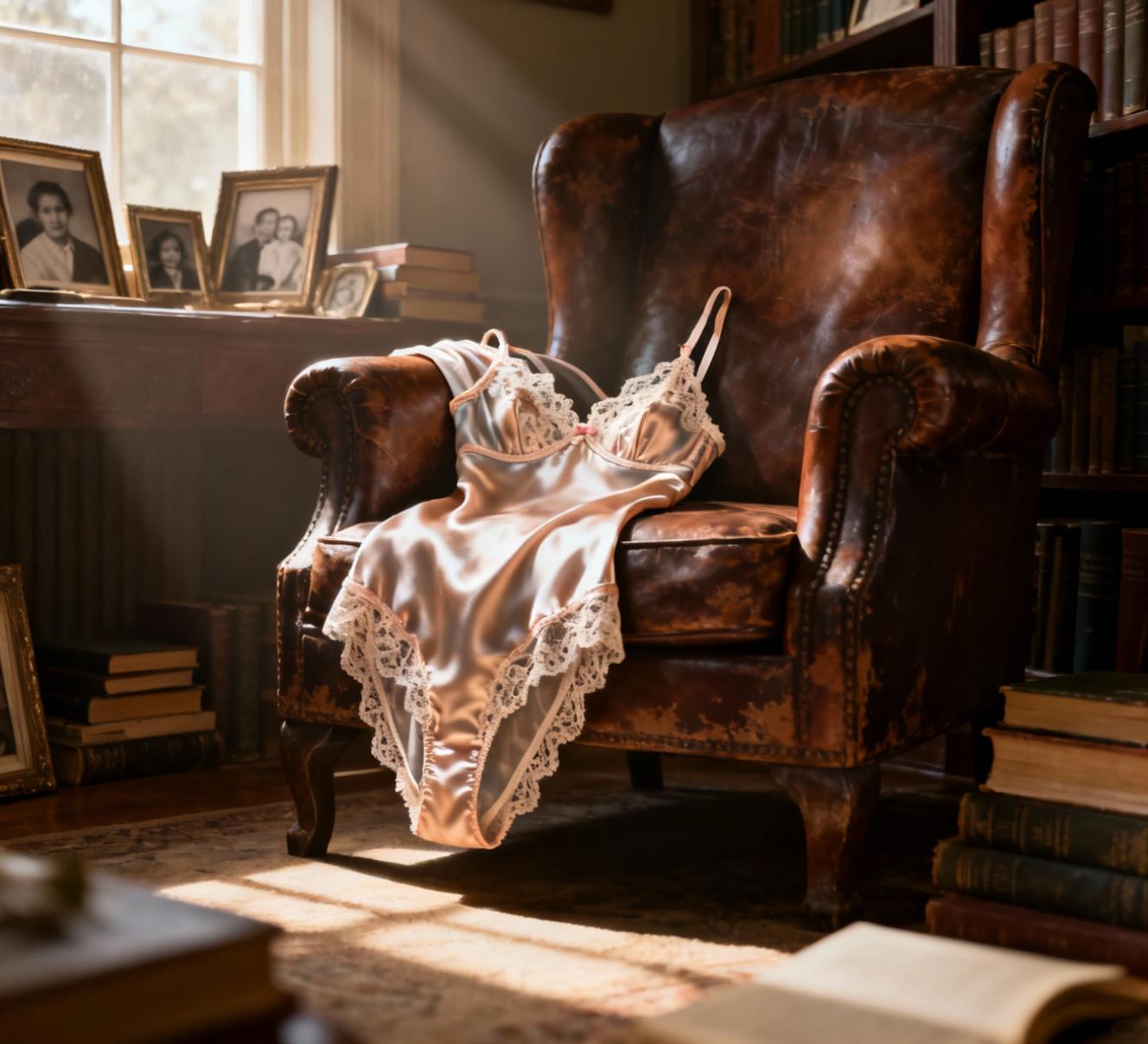
And speaking of connection, let's not forget the, shall we say, *intimate* details Roth wasn't afraid to explore. His books often delved into the world of sensuality and desire, leaving little to the imagination. And while we're not suggesting you rush out and buy a copy of "Sabbath's Theater" for your grandma, there's no denying that Roth understood the power of the erotic. Maybe that's why his books always looked so good next to a strategically placed women lingerie set in the bookstore. Just saying...
Seriously though, confidence is key. Whether you are wearing sexy nightwear, or rocking a power suit at work, Roth's ability to express himself and encourage others, whether it was through his characters or his own life, that level of commitment is attractive. Even a peak beneath a see through lingerie number cannot replace that confidence, the confidence that Roth displayed so very often.

A Community Mourns, A Legacy Endures
The news of Philip Roth's passing reverberated far beyond the literary world. It was felt deeply by his family, his friends, his colleagues, and the countless readers who had been touched by his work. The outpouring of tributes and condolences was a testament to the impact he had on so many lives. He was more than just a writer; he was a mentor, a friend, and a source of inspiration. His absence will be felt deeply, but his words will continue to resonate for generations to come.
Think about the family dinners that will now be a little quieter, the inside jokes that will be shared with a touch of melancholy, the empty chair at the table that will serve as a constant reminder of his absence. These are the moments that truly define a life well-lived, the connections that endure even after we are gone. And while we may mourn his passing, we can also celebrate the fact that he lived a life filled with passion, purpose, and unwavering commitment to his craft.

Remembering the Man, Honoring the Work
So, how do we honor the legacy of Philip Roth? We read his books. We discuss his ideas. We challenge ourselves to think critically about the world around us. We embrace the uncomfortable truths, the messy realities, and the enduring power of the human spirit. We laugh, we cry, we debate, and we remember that even in the darkest of times, there is always hope.
And maybe, just maybe, we slip into something a little more comfortable, pour ourselves a glass of wine, and re-read our favorite Roth passage. Because let's face it, sometimes the best way to honor a literary legend is to simply lose ourselves in the magic of his words. And who knows, maybe those words will inspire us to be a little bolder, a little more honest, and a little more willing to embrace the messy, beautiful, and often hilarious realities of life. Cheers to you, Mr. Roth. You will be missed.
"The only thing people are uniformly good at is dying." - Philip Roth
And as the sun sets, casting a warm glow on the pages of a well-worn Roth novel, we are reminded that even in death, there is a certain beauty, a certain grace, a certain romanticism. A final chapter closed, but a story that will continue to be told, whispered, and cherished for years to come. The confidence he exuded, the courage to be himself, that lives on.
Latest Post: Beyond the Gaze: Redefining Women's Lingerie Sets as a Private Sanctuary Our newest member: smartuser rm Recent Posts Unread Posts
